Healthy Diet Chart for Preschool Children
(2–5 Years): Complete Parent Guide
Fuel your child's growth, immunity, and brain development with a balanced, wholesome diet chart tailored for South Indian and Indian families in Valasaravakkam, Porur, and Alwarthirunagar.
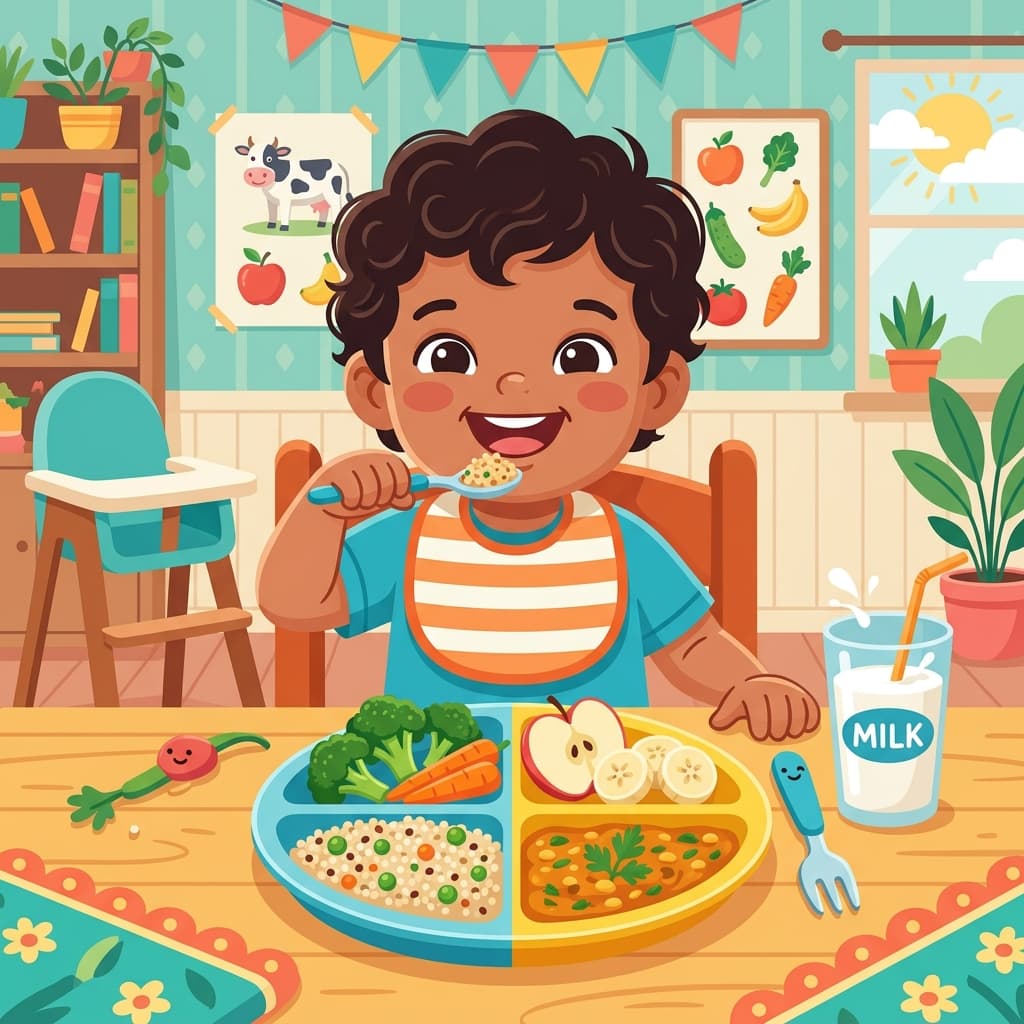

Why Preschool Nutrition Matters (Ages 2 to 5)
Between 2 and 5 years of age, a child undergoes astounding physical, motor, and cognitive growth. During this period, a toddler’s brain consumes almost 50% of their daily metabolic energy! Providing balanced nourishment isn't just about weight and height—it directly influences attention span, emotional mood stability, immune defenses, and sleep quality.
Many parents in Valasaravakkam, Porur, and Alwarthirunagar express worry over toddler picky eating or mealtime battles. This guide provides a practical, stress-free Indian preschool diet chart that honors local culinary traditions while ensuring peak nutrition.
4 Core Pillars of Preschool Nutrition
Brain & Cognitive Boosters
Key Nutrients: Iron, Omega-3 Fatty Acids, Choline & Iodine
Best Sources: Spinach, walnuts, flaxseeds, eggs, dal, whole grains
Supports memory formation, rapid neural wiring, and classroom concentration.
Bone Strength & Muscle Growth
Key Nutrients: Calcium, Vitamin D & Bioavailable Protein
Best Sources: Milk, curd, paneer, ragi (finger millet), sesame seeds
Builds strong bones, healthy teeth, and optimal physical growth milestones.
Immunity & Gut Resilience
Key Nutrients: Probiotics, Vitamin C, Zinc & Antioxidants
Best Sources: Fresh curd, oranges, guavas, amla, carrots, pumpkin seeds
Protects against seasonal colds, supports gut microbiome, and improves immunity.
Sustained Energy & Digestion
Key Nutrients: Complex Carbohydrates & Dietary Fiber
Best Sources: Oats, brown rice, whole wheat, pulses, sweet potatoes
Prevents energy crashes, mood swings, and constipation in active toddlers.
Complete Daily Preschool Diet Chart
Here is a sample structured daily meal schedule designed for toddlers aged 2 to 5 years:
Morning Wake-Up Boost
Menu Options: Warm cow's milk / almond milk (150 ml) + 2 soaked, peeled almonds or 1 soaked date.
Kickstarts metabolism, provides gentle morning hydration, and delivers essential healthy fats for brain readiness.
Power-Packed Breakfast
Menu Options: 2 Soft Ragi Idlis / Vegetable Uttapam / Boiled Egg with 1 Wheat Roti / Whole Grain Oats porridge with banana slices.
Combines complex carbs and high-quality protein for sustained morning focus and play energy.
Mid-Morning Fruit & Hydration Break
Menu Options: 1 cup fresh seasonal fruits (Papaya cubes / Apple slices / Pomegranate / Watermelon) + Tender coconut water or plain water.
High dietary fiber, natural antioxidants, and essential electrolytes to maintain hydration and digestion.
Wholesome Balanced Lunch
Menu Options: 1 small cup Brown Rice / Phulka + Dal / Paneer curry + Mixed Vegetable Poriyal (Spinach/Carrot/Beetroot) + 2 tbsp Fresh Curd.
Balanced macro-nutrients: plant protein, iron, gut-friendly probiotics, and essential vitamins.
Evening Energy Snack
Menu Options: Handful of Roasted Makhana (Foxnuts) / Boiled Green Gram (Chana) salad / Whole wheat vegetable pancake + Fruit Smoothie or Milk.
Refuels energy reserves after school play without causing evening sugar spikes.
Early Gentle Dinner
Menu Options: Moong Dal Vegetable Khichdi with ghee / Dosa with mild tomato chutney / Clear vegetable soup with soft paneer cubes.
Easy to digest before bedtime, promoting deep, restorative sleep and nighttime tissue repair.
5 Smart Strategies to Handle Picky Eaters
Practice the 'Division of Responsibility'
Parents decide WHAT, WHEN, and WHERE to serve food; the child decides WHETHER and HOW MUCH to eat. Never force-feed.
Eliminate Screen Distractions
Eating while watching TV or phones leads to mindless swallowing, suppressing natural appetite cues and joy of food texture.
Involve Children in Meal Prep
Let your toddler wash cherry tomatoes, tear spinach leaves, or mix batter. Children eagerly eat food they helped create!
Follow the 'Rule of 10 Touches'
A toddler may need to see, smell, or touch a new vegetable 10 to 15 times before accepting a bite. Be patient and keep offering.
Make Food Visually Fun
Use cookie cutters to shape sandwiches into stars, arrange fruit slices into smiley faces, or present colorful veggie rainbows.
Foods to Avoid or Limit in Early Childhood
Packaged Sugar Drinks
Commercial juices, sodas, and flavored milks contain up to 5 teaspoons of hidden sugar per serving.
Ultra-Processed Biscuits & Chips
High sodium, trans fats, and palm oil suppress natural appetite for wholesome home-cooked meals.
Whole Nuts & Hard Candies
Choking hazards for children under 4. Always crush or powder nuts into porridge or smoothies.
Healthy Nutrition Culture at Qurious Lil'Mindz
At Qurious Lil'Mindz Valasaravakkam, we foster healthy eating habits from day one. Our classrooms encourage mess-free self-feeding, social mealtime etiquette, and wholesome snack boxes. We partner with parents in Valasaravakkam, Porur, and Alwarthirunagar by sharing monthly healthy snack recommendations and hosting interactive nutrition sessions.
Frequently Asked Questions by Parents
How much milk should a preschool child (ages 2–5) drink daily?
Pediatricians recommend around 350 ml to 450 ml (about 1.5 to 2 cups) of milk per day. Too much milk (over 600 ml) can fill small stomachs, reducing appetite for solid, iron-rich foods.
What are healthy snack box options to send to preschool?
Great snack box ideas include roasted makhana, steamed sweet corn, apple slices with peanut butter dip, soft mini ragi idlis, boiled edamame/chana, or cucumber carrot sticks.
My 3-year-old refuses to eat vegetables. What should I do?
Avoid hiding vegetables completely. Instead, offer veggies alongside favorite foods, serve small portions, lead by example at family meals, and introduce blended vegetable purees in soups, dal, or pasta sauces.