How Parents Can Support Their Child’s
Learning at Home
Transform everyday household routines into joyful learning experiences. Research-backed, stress-free strategies for parents in Valasaravakkam, Alwarthirunagar, and Porur to raise curious, confident young learners.
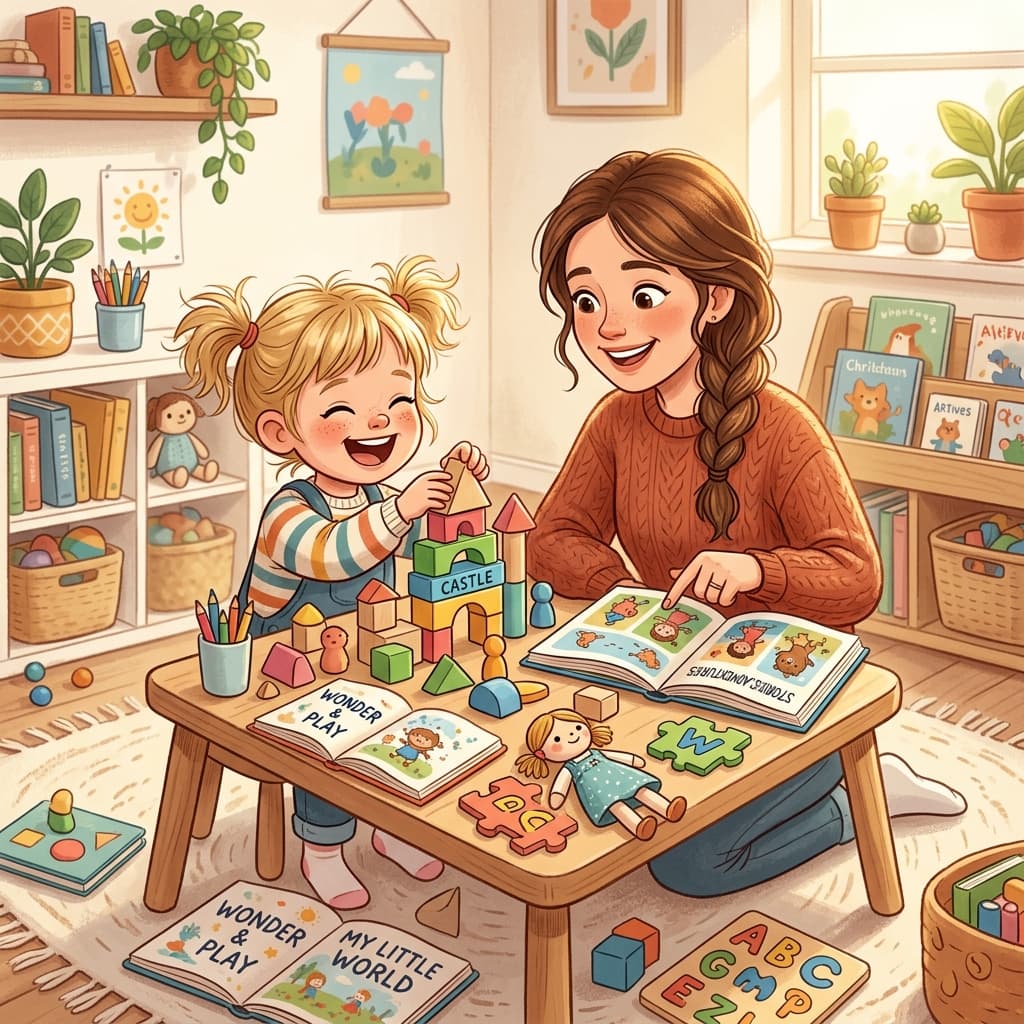

Your Home Is Your Child’s First Classroom
Many parents feel immense pressure to turn their home into a mini-school filled with strict lesson plans, flashcards, and drill worksheets. But early childhood experts agree: the best learning at home doesn’t look like formal schooling. It looks like life.
Between birth and age six, a child’s brain forms over 1 million new neural connections every second. These connections aren't built through passive memorization—they are sparked through warm, responsive interactions, playful curiosity, and sensory experiences right inside your home.
Whether you live in Valasaravakkam, Porur, or Alwarthirunagar, you already have every tool you need to nurture your child’s intellectual, emotional, and social growth. Here is how you can seamlessly weave learning into your everyday family life.
6 Proven Strategies to Support Learning at Home
You don't need expensive equipment or hours of extra time. Here are six practical, joyful strategies you can implement starting today.
Turn Daily Routines into Learning Moments
You don't need dedicated study hours or flashcards. Simple daily activities like counting apples at the grocery store, sorting socks by color while folding laundry, or measuring water in the kitchen teach fundamental math, vocabulary, and classification naturally.
Practice 'Serve and Return' Reading
Reading together is more than just pronouncing words on a page. Ask open-ended questions like 'What do you think the puppy will do next?' or 'How does the little mouse feel?' This conversational reading style builds critical thinking, empathy, and vocabulary.
Create an Accessible, Choice-Driven Environment
Arrange toys, art supplies, and books on low, open shelves so your child can independently choose their activities. Giving young children autonomy in picking their play fosters self-motivation, problem-solving, and a sense of ownership over their learning.
Encourage Open-Ended, Unstructured Play
Simple materials like cardboard boxes, wooden building blocks, clay, and sensory bins spark far more cognitive creativity than rigid single-purpose electronics. Unstructured play allows children to test hypotheses, fail safely, and rebuild with resilience.
Praise Effort & Process Over Perfection
Instead of saying 'You're so smart,' focus on praising their perseverance: 'I love how hard you tried to balance those blocks!' Labeling effort creates a growth mindset, teaching children that mistakes are simply exciting opportunities to learn and try again.
Build a Strong Bridge with Preschool Teachers
Share your child's home interests, favorite stories, and behavioral milestones with their classroom educators. A unified approach between home and school provides children with emotional consistency, helping them thrive in both environments.
Easy Hands-On Activities for Every Room
Looking for quick activity inspiration? Here is how you can unlock learning in common household spaces:
Kitchen Math & Science
Let your child count out 4 spoons for dinner, compare big vs. small bowls, or mix water and food coloring to explore color blending and basic chemistry.
Living Room Literacy & Motor Skills
Build pillow obstacle courses to boost gross motor coordination. Use painter's tape on the floor to make shape tracks for toy cars while naming letters together.
Outdoor Nature Walks
Turn a neighborhood stroll into a scavenger hunt: look for 3 green leaves, smooth stones, or chirping birds. Nature exploration sharpens observation and sensory focus.
Partnering with Parents in Valasaravakkam
At Qurious Lil'Mindz, we believe early childhood education is a partnership between home and school. We provide parents in Valasaravakkam, Porur, and Alwarthirunagar with regular activity guides, developmental updates, and open teacher consultations to ensure your child experiences seamless, loving continuity in their learning journey.