When Choosing a Preschool,
Don't Just Ask What They Learn —
Ask How They Are Cared For
Parents spend weeks comparing fees, classrooms, and facilities. But the answers to how a school handles tears, tantrums, and social conflicts reveal far more about a preschool than its infrastructure.
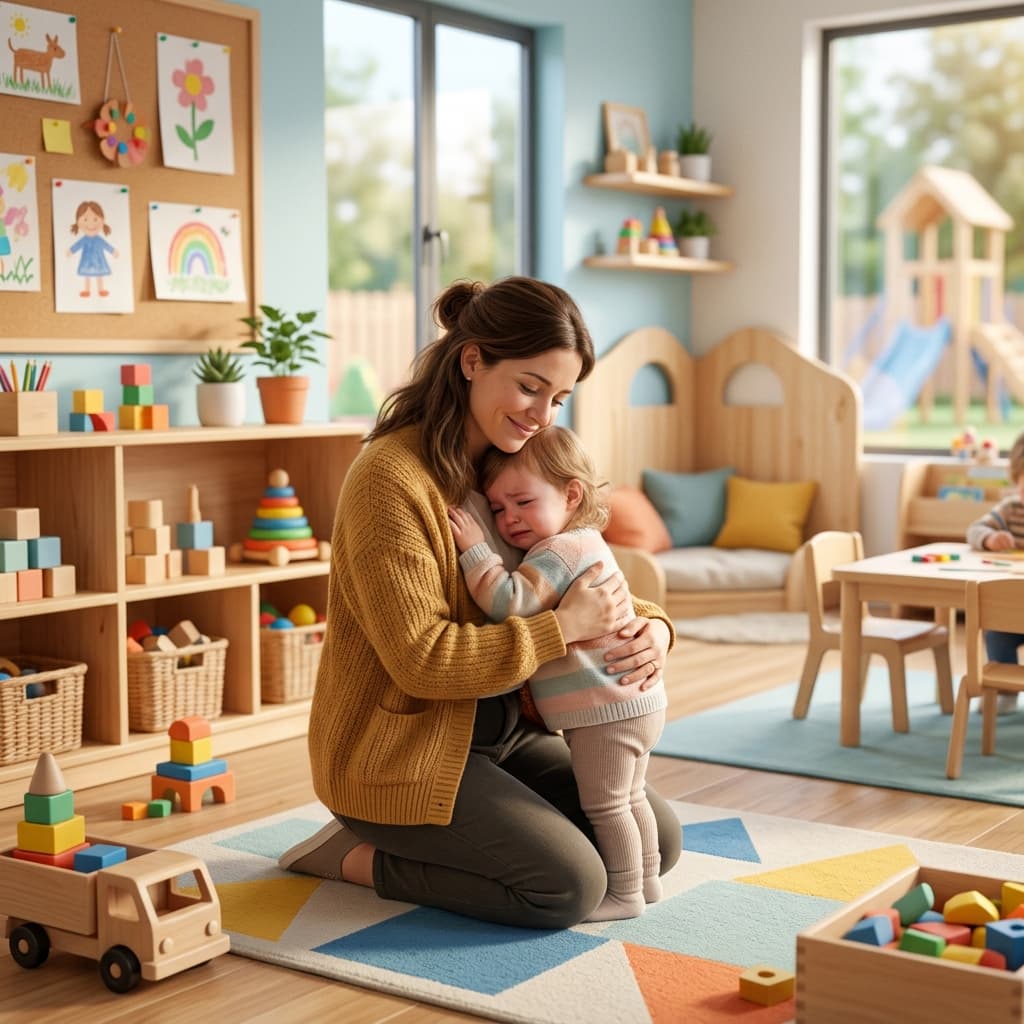

Parents spend weeks comparing fees, classroom sizes, air conditioning, and playground equipment. We inspect safety cameras, ask about the literacy curriculum, and check teacher-to-child ratios.
Yet, the most vital questions are rarely asked during admissions inquiries:
How does your school respond when a child...
- is upset or anxious?
- refuses to eat?
- hits another child?
- is hit by another child?
- struggles to settle into the classroom?
The answers to these questions reveal far more about a preschool than its physical infrastructure. In the early years, children are still learning to communicate, regulate their emotions, and interact with others. Care and education are inseparable.
The 5 Essential Care Questions Breakdown
When evaluating a preschool, compare how different environments approach these everyday early childhood moments:
How does your school respond when a child is upset or anxious?
Sent to a 'quiet corner' or told to 'stop crying' so they don't disturb the rest of the class.
Teachers offer gentle physical presence, co-regulation, and validation: 'I see you miss mum. It's okay to feel sad, I am here with you.'
Why this matters: Young children cannot regulate intense emotions alone. Co-regulation teaches emotional safety and builds lifelong resilience.
How do teachers handle a child who refuses to eat?
Pressure, bribes, or forcing the child to sit until their plate is clean, causing stress around mealtime.
Creating a positive, pressure-free dining environment. Educators explore small portions, peer modeling, and open communication with parents.
Why this matters: Forced feeding creates negative associations with food. Mealtime should be a social, enjoyable experience built on autonomy.
What happens when a child hits another child?
Punishment, shouting, or labeling the child as 'bad', which increases shame and aggression.
Immediate firm boundary to ensure safety, followed by identifying the underlying trigger (frustration, tiredness, pre-verbal communication) and teaching positive alternatives like 'use your words' or requesting help.
Why this matters: Hitting in toddlers is usually a communication breakdown, not malice. Guidance teaches impulse control without destroying self-worth.
How is a child supported when they are hit by another child?
Quick reassurance like 'you're fine, go play', leaving the hurt child feeling unheard.
Immediate warm comfort, active listening, and empowering the child to voice boundaries ('It is not okay to hurt me') while ensuring a secure environment.
Why this matters: Children need to know their safety and feelings are prioritized, helping them develop healthy personal boundaries and trust.
How do you help a child who struggles to settle into the classroom?
Rushing drop-offs and expecting every toddler to adapt at the exact same pace.
Customized gradual transition plans, transitional comfort objects, dedicated primary caregiving teachers, and continuous parent updates.
Why this matters: Every child's nervous system adapts at a unique pace. A patient start prevents long-term school anxiety.
What to Look for During Your Preschool Tour
When you visit potential preschools in Chennai, bring this observation checklist with you:
Observe teacher-child interactions: Are educators at eye level with toddlers when speaking?
Ask about staff turnover: Consistent caregivers build deep emotional security.
Inquire about discipline policy: Ensure the school explicitly shuns isolation, public shame, and harsh punishments.
Check parent communication: How quickly are parents notified about emotional or behavioural incidents?
Evaluate the calming environment: Does the classroom have cozy, safe quiet spaces for emotional regulation?
When Choosing a Preschool, Ask How They Care
Bright classrooms, colorful toys, and modern smartboards are wonderful bonuses. But during a child's earliest years, emotional warmth, dignity, and expert guidance are the true measures of educational excellence.
Don't just ask what children will learn.
Ask how they will be cared for.
Because in the early years, care and education are inseparable.
References & Further Reading
- Harvard Center on the Developing Child. Co-Regulation: Supporting Self-Regulation Development in Early Childhood. developingchild.harvard.edu
- American Academy of Pediatrics (AAP). Effective Discipline for Children: Guidance Beyond Punishment. Pediatrics, 142(6).
- National Association for the Education of Young Children (NAEYC). Developmentally Appropriate Practice in Early Childhood Programs. naeyc.org