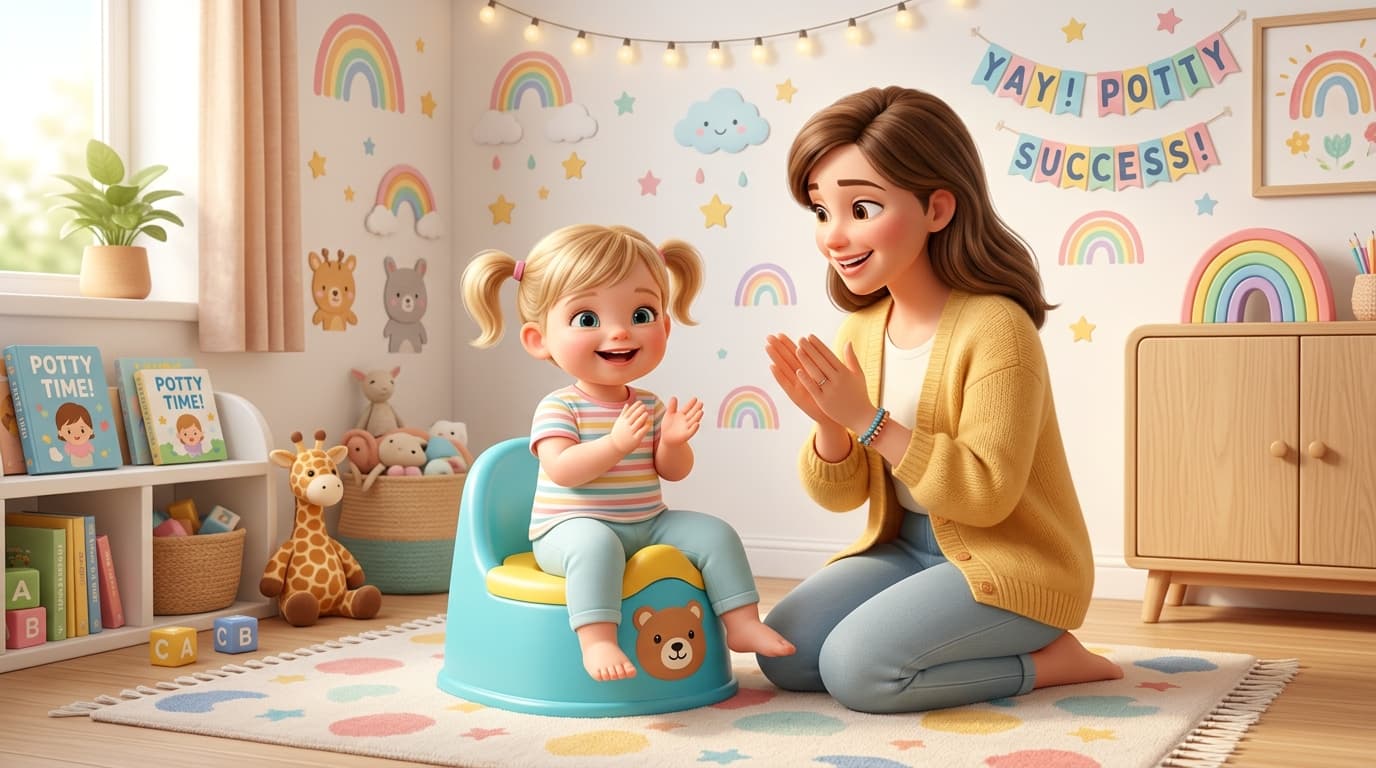
For many parents of young children, potty training can feel like one of the most intimidating milestones in early childhood. Social media, family opinions, and rigid preschool deadline fears often turn what should be a natural bodily transition into a high-pressure battlefield.
Here's the reassuring truth: toilet training is a developmental skill, not an academic exam. Just as toddlers learn to walk and talk when their nervous system and motor coordination mature, learning to recognize bladder fullness and manage bathroom visits happens naturally when your child is physically and emotionally ready.
At Qurious Lil'Mindz, our preschool team works closely with parents across Valasaravakkam, Porur, and Alwarthirunagar to make toilet independence a positive, empowering experience. In this complete guide, we share proven strategies to help your toddler transition out of diapers smoothly—without tears, tantrums, or parental burnout.
5 Clear Signs Your Toddler Is Ready for Potty Training
Before picking a start date or buying training underpants, verify if your child is showing at least 3 to 4 of these essential physical, behavioral, and developmental signals:
Physical Readiness & Bladder Control
"Your toddler stays dry for at least 2 consecutive hours during the day or wakes up dry from naps."
This shows their bladder muscles have matured enough to hold urine for longer intervals, which is essential for successful toilet independence.
Notice how often you change diapers throughout the day. If diapers remain dry for 2-3 hours, their bladder capacity is ready!
Behavioral & Body Awareness Signs
"Hiding behind curtains or under tables during bowel movements, or pulling at wet/soiled diapers wanting them removed."
Recognizing bodily sensations before or during elimination indicates growing sensory self-awareness and a desire for cleanliness.
Gently acknowledge their awareness: 'I see you went behind the couch. Did you make a poop? Let's get clean!'
Motor Skills & Independence Milestones
"Can walk steadily, sit independently on a child-sized chair/potty, and pull elastic waist shorts down and up with minimal help."
Physical agility ensures your toddler can quickly reach the potty and manage their clothing without feeling overwhelmed or stuck.
Dress your child in comfortable elastic-waist pants (avoid tricky buttons, belts, or overalls) during the transition phase.
Communication & Language Abilities
"Uses simple words, gestures, or signs to express needs—such as saying 'pee', 'poop', 'potty', or pointing to the bathroom."
Being able to communicate physical discomfort or urgency gives your toddler the confidence to ask for help when needed.
Consistently use simple, neutral terminology at home (e.g., 'pee', 'poop', 'potty') so your child learns to express themselves clearly.
Desire for Independence & Imitation
"Shows curiosity when parents or siblings use the toilet, or expresses a strong desire to wear 'big-kid' underpants."
Intrinsic motivation makes potty training significantly faster and enjoyable compared to parental pressure.
Let your toddler choose their own colorful cotton underwear featuring favorite characters to build excitement and pride.
The 5 Golden Rules of Stress-Free Toilet Training
1. Follow Readiness, Not the Calendar
Age 2 is common, but readiness can range between 18 and 36 months. Starting before your child displays readiness signs usually doubles training time and increases stress.
2. Keep Accidents Neutral & Shame-Free
Accidents are not failures—they are natural sensory feedback loops. Clean them up calmly without scolding, sighing, or punishing. Say: 'Accidents happen! Let's wipe it up and try the potty next time.'
3. Establish a Gentle Potty Rhythm
Offer potty visits at natural daily transition points: immediately upon waking, 20 minutes after meals, before leaving the house, and before bed.
4. Create an Ergonomic & Safe Setup
Children need firmly grounded feet to relax their pelvic floor. Use a sturdy footstool with a toilet reducer seat, or a floor-level potty chair.
5. Praise Effort & Process, Not Perfection
Celebrate sitting on the potty and trying—even if nothing comes out. High-fives and warm hugs build lasting confidence far better than sticker bribes.
The 4-Phase Gentle Potty Transition Roadmap
Rushing from full-time diapers to complete independence in 24 hours often causes anxiety for toddlers. Instead, follow this natural 4-phase transition:
Preparation & Familiarization
Place the potty chair in the bathroom. Read colorful storybooks about potty training. Let your toddler sit on the potty fully clothed while you talk warmly about how big boys and girls use the toilet.
Home Underwear Days & Body Awareness
Switch to cotton underpants during daytime hours at home. Take your child to the potty every 45-60 minutes. Expect accidents and treat them calmly as learning signals for bodily sensations.
Establishing Routine & Short Outings
Practice prompt potty trips before leaving for short trips (e.g., local park visit or grocery store in Valasaravakkam). Pack a wet bag with extra pants, wipes, and underpants.
Nighttime Dryness & Complete Autonomy
Nighttime bladder control depends on anti-diuretic hormone (ADH) secretion during deep sleep. Continue using nighttime diapers or waterproof mattress pads until your child consistently wakes up dry for 2 consecutive weeks.
At-a-Glance: What to Do vs. What to Avoid
How Qurious Lil'Mindz Supports Toilet Independence in Valasaravakkam
Many parents worry: "Will my toddler be allowed to join preschool if they aren't 100% potty trained?"
At Qurious Lil'Mindz Valasaravakkam (also welcoming toddlers from Porur and Alwarthirunagar), we believe preschool should be an encouraging partner, not an intimidating hurdle. In our Playgroup and Nursery programs:
Gentle Bathroom Support
Our child-friendly restrooms feature low-height toilets and step stools. Our trained educators assist toddlers with care, hygiene, and handwashing.
Scheduled Routine Breaks
We incorporate regular group bathroom breaks before snack time and after outdoor play, building predictable habits naturally.
Zero-Shame Environment
If an accident occurs at school, teachers change the child quietly and warmly into their spare clothes. No child is ever reprimanded or singled out.
Parent Action Checklist for Potty Success
Frequently Asked Questions
What is the best age to start potty training a toddler?
Most toddlers show readiness signs between 18 and 30 months, with average daytime dryness achieved between 2.5 and 3.5 years. Developmentally, readiness matters much more than age. Starting when your child shows clear physical and behavioral signs makes the process smoother and faster.
How long does potty training usually take?
Daytime potty awareness can be established in 3 to 7 days, but full independence—remembering to go independently, managing clothes, and wiping—typically takes 2 to 6 weeks. Nighttime dryness may take several months to a year longer, as it relies on hormonal maturity.
My toddler will pee in the potty but refuses to poop. What should I do?
Poop withholding is very common because sitting on a toilet can feel unfamiliar or scary. Ensure your toddler's feet are firmly supported on a footstool to relax their pelvic muscles. Never force them to sit. Offer plenty of fiber-rich foods, water, and read playful potty storybooks together.
How do preschools handle potty training accidents?
At Qurious Lil'Mindz, our early educators view toilet training as a warm developmental phase. We assist toddlers with routine bathroom visits, encourage independence gently, and handle any accidents calmly with spare clothes provided by parents—ensuring no child ever feels embarrassed.
Should I use pull-up diapers during potty training?
Pull-ups feel very similar to regular diapers, which can blur the sensory boundary between wetness and dryness. We recommend transitioning directly to breathable cotton underpants at home during daytime training, reserving diapers/pull-ups for naptime and night sleep initially.
What should I do if my child regresses after being potty trained?
Regression is completely normal during major life changes such as starting preschool, welcoming a new sibling, or moving homes. Respond with extra comfort, return to a predictable routine, avoid reprimands, and celebrate small wins. Their confidence will quickly bounce back.